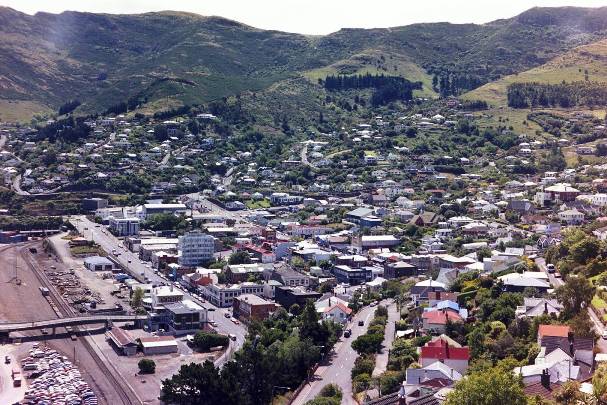
The idea of building a graving dock at Lyttelton originated with the Provincial Council in 1875 in response to the increasing number of shipping accidents involving vessels using the port.
Construction eventually went ahead under the jurisdiction of the newly-constituted Lyttelton Harbour Board (1877), when in October 1879 the successful tenderers, Ware & Jones, were awarded the contract and work began. In July of the following year the Board decided to increase the length of the proposed dock by fifteen metres, and in February 1882 the structure was completed. With the iron caisson finally installed, the graving dock was officially opened by the Acting Governor, Sir James Prendergast, on January 3 1883 when the Hurunui entered into the dock.
The dock was used to repair and maintain Scott's Discovery and Terra Nova in the early years of this century, and as such serves as a reminder of Lyttleton's significant link with Antarctica from the earliest days of polar exploration. Although many modern ships are too large to fit into the graving dock today, it continues to serve an important function within the port.
[The brick pumphouse building was demolished in 2011 following damage caused by the Canterbury Earthquakes, but its foundations remain and are visible within a new modern pumphouse subsequently erected c2015]
Construction eventually went ahead under the jurisdiction of the newly-constituted Lyttelton Harbour Board (1877), when in October 1879 the successful tenderers, Ware & Jones, were awarded the contract and work began. In July of the following year the Board decided to increase the length of the proposed dock by fifteen metres, and in February 1882 the structure was completed. With the iron caisson finally installed, the graving dock was officially opened by the Acting Governor, Sir James Prendergast, on January 3 1883 when the Hurunui entered into the dock.
The dock was used to repair and maintain Scott's Discovery and Terra Nova in the early years of this century, and as such serves as a reminder of Lyttleton's significant link with Antarctica from the earliest days of polar exploration. Although many modern ships are too large to fit into the graving dock today, it continues to serve an important function within the port.
[The brick pumphouse building was demolished in 2011 following damage caused by the Canterbury Earthquakes, but its foundations remain and are visible within a new modern pumphouse subsequently erected c2015]
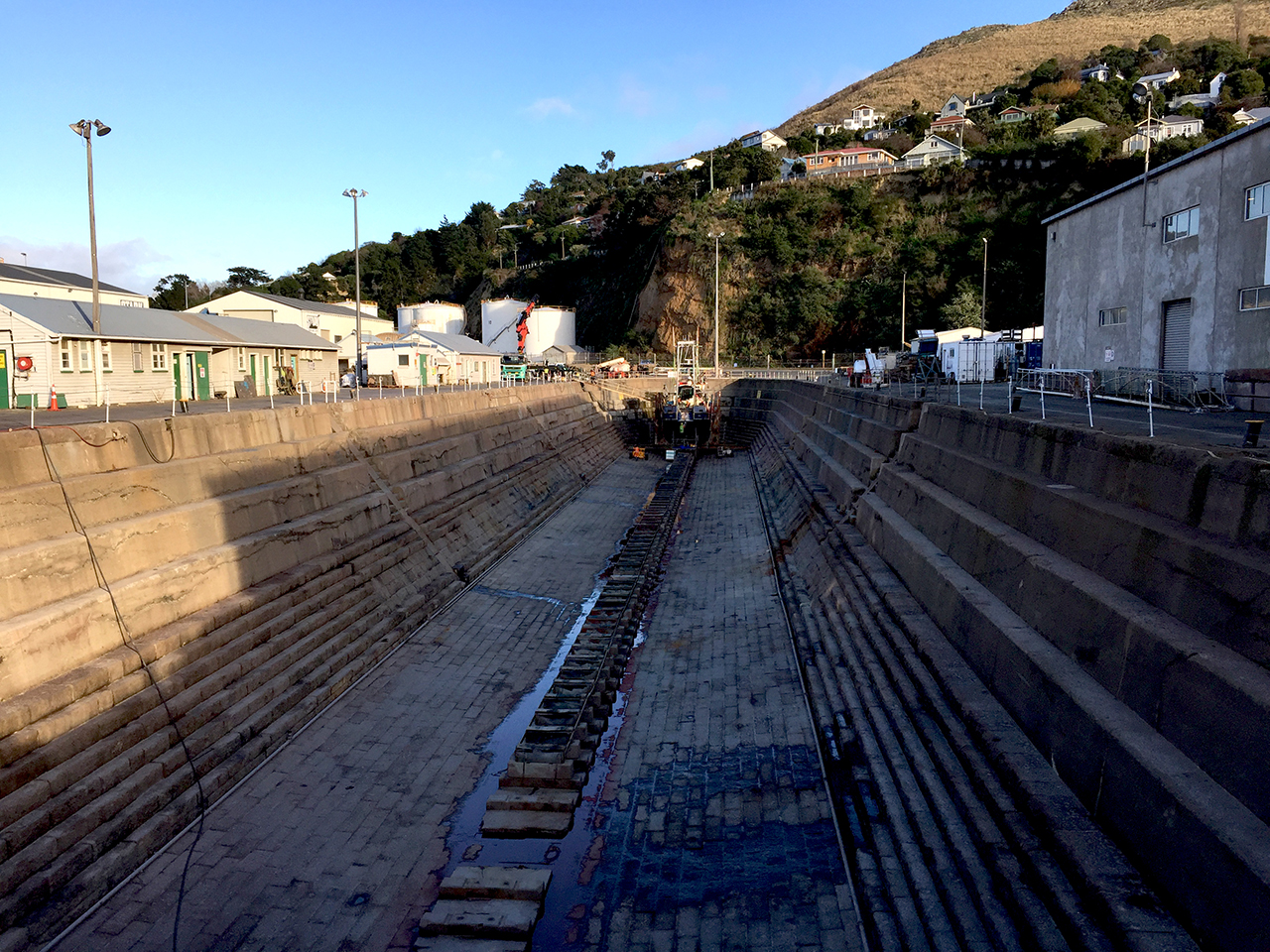
Lyttelton Graving Dock and Pump House | Robyn Burgess | 04/07/2019 | Heritage New Zealand Pouhere Taonga
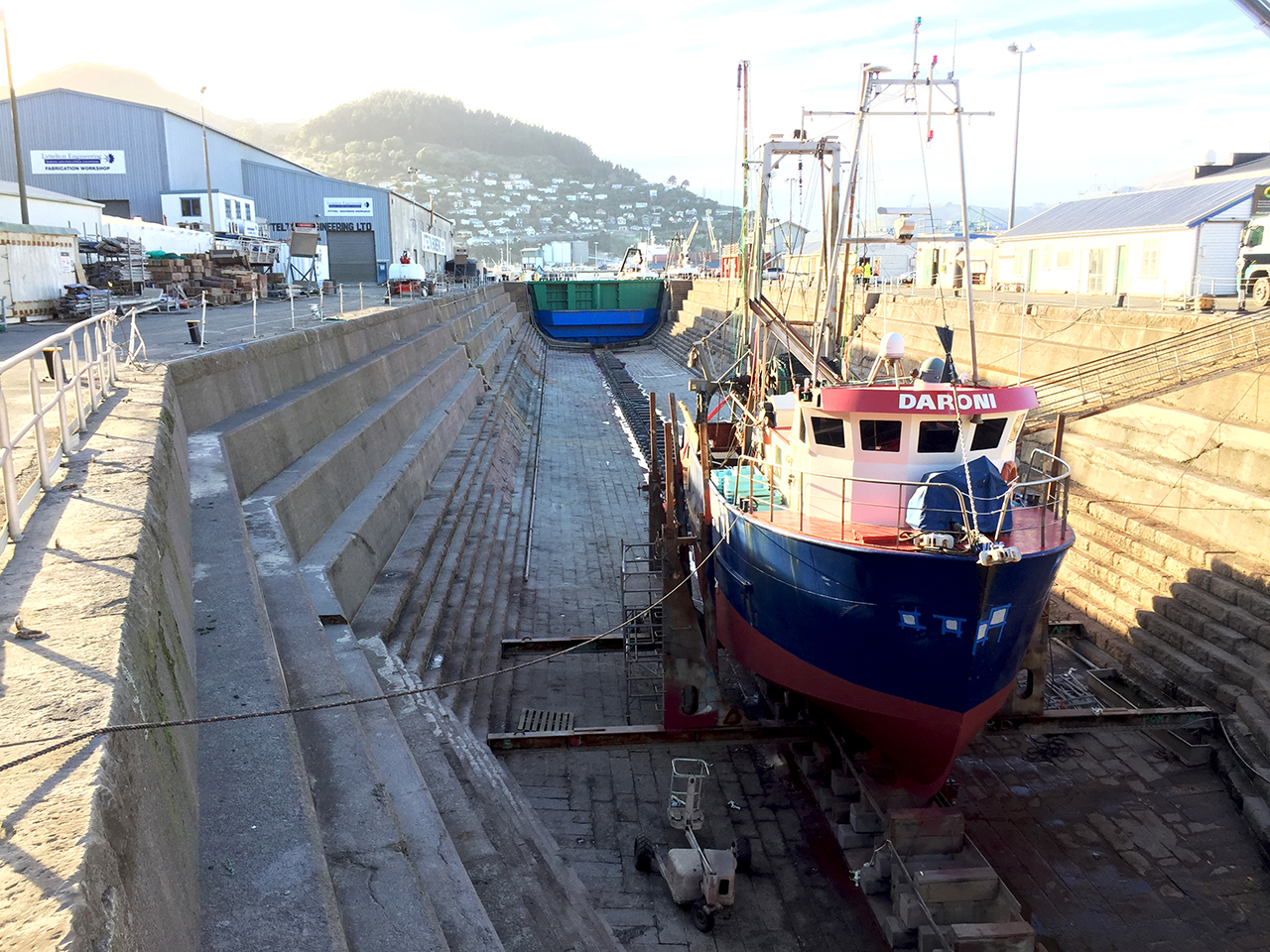
Lyttelton Graving Dock and Pump House | D Margetts | 04/07/2019 | Heritage New Zealand Pouhere Taonga
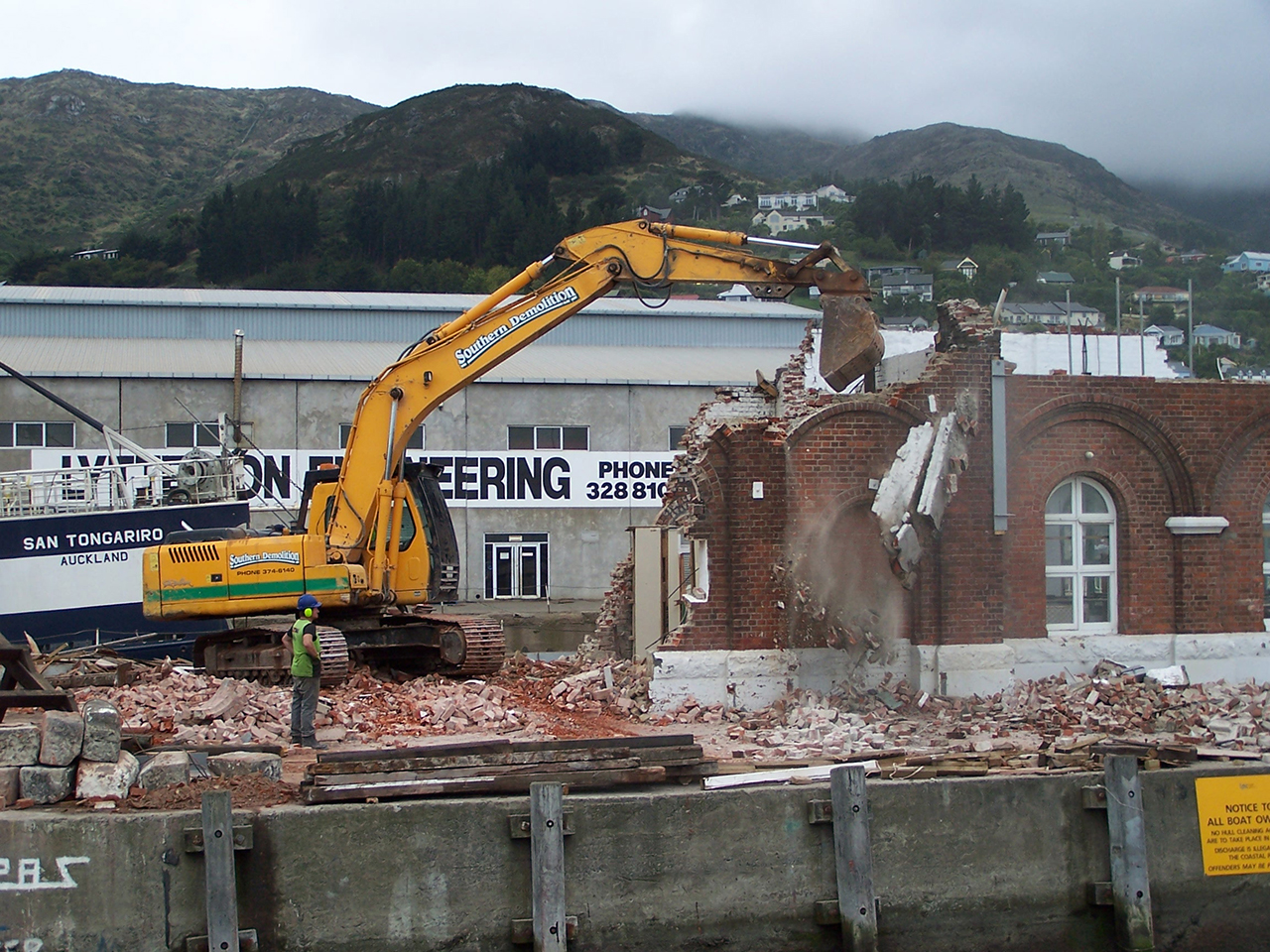
Lyttelton Graving Dock and Pump House. Pump House during demolition following 2011 Canterbury earthquakes | S Lamont | 22/03/2011 | Heritage New Zealand Pouhere Taonga
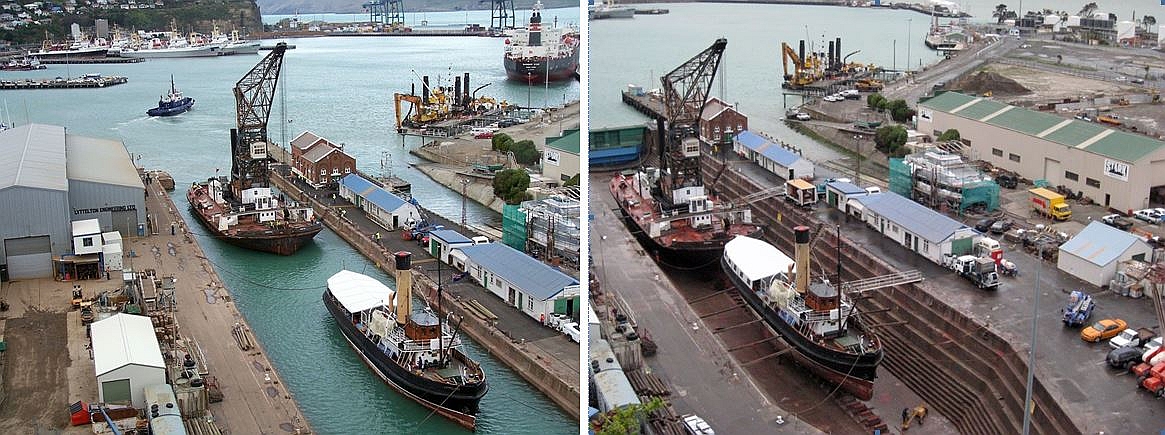
Lyttelton Graving Dock and Pump House. 2009 (Left) Wellington floating crane HIKITIA was towed to Lyttelton for underwater work. (Right) HIKITIA and old tug LYTTELTON 2 on the blocks in graving/dry dock. Image courtesy of www.nzshipmarine.com | Mike Newland | New Zealand Ship and Marine Society
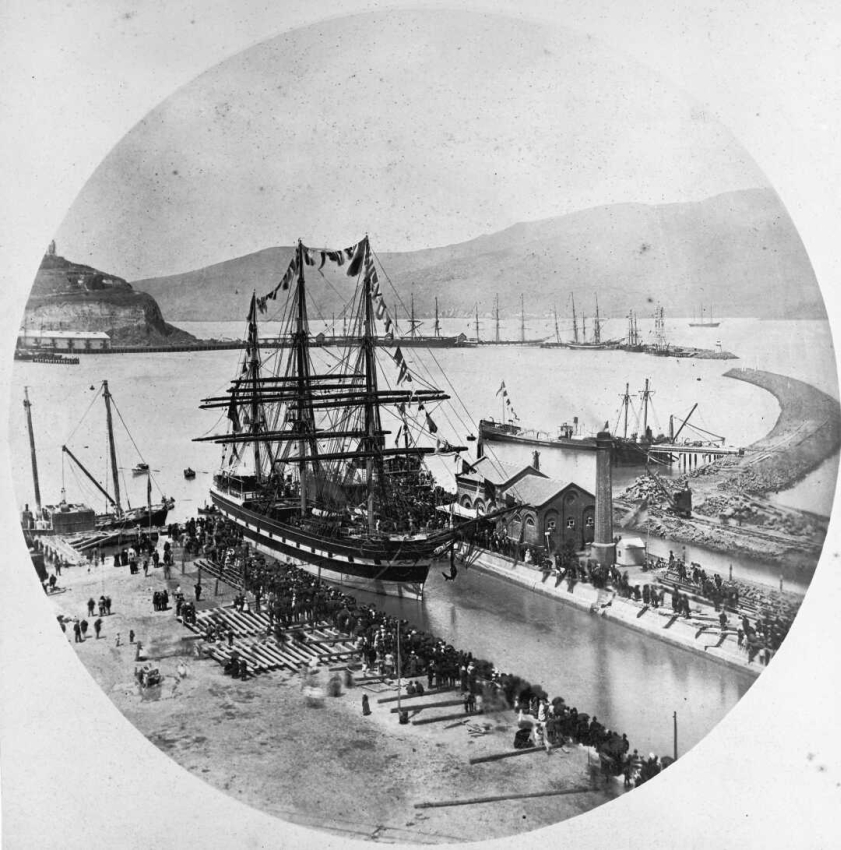
Lyttelton Graving Dock and Pump House. The 'HURUNUI', the first ship in the Lyttelton Graving Dock, shortly after it was opened by the acting Governor of New Zealand, Sir James Prendergast. Ref: 1/2-032410-F | Unknown | 03/01/1883 | Alexander Turnbull Library, Wellington
Lyttelton Graving Dock and Pump House | Robyn Burgess | 04/07/2019 | Heritage New Zealand Pouhere Taonga
Lyttelton Graving Dock and Pump House | D Margetts | 04/07/2019 | Heritage New Zealand Pouhere Taonga
Lyttelton Graving Dock and Pump House. Pump House during demolition following 2011 Canterbury earthquakes | S Lamont | 22/03/2011 | Heritage New Zealand Pouhere Taonga
Lyttelton Graving Dock and Pump House. 2009 (Left) Wellington floating crane HIKITIA was towed to Lyttelton for underwater work. (Right) HIKITIA and old tug LYTTELTON 2 on the blocks in graving/dry dock. Image courtesy of www.nzshipmarine.com | Mike Newland | New Zealand Ship and Marine Society
Lyttelton Graving Dock and Pump House. The 'HURUNUI', the first ship in the Lyttelton Graving Dock, shortly after it was opened by the acting Governor of New Zealand, Sir James Prendergast. Ref: 1/2-032410-F | Unknown | 03/01/1883 | Alexander Turnbull Library, Wellington